Manga Raw1001: The Underground Hub for Raw Manga Scans Explained
The world of manga is vast, but not all of it is easily accessible. For fans who crave the latest chapters from Japan before official translations hit the shelves, a name keeps surfacing in forums and social media: manga raw1001. This site has become a quiet powerhouse for raw scans—untouched, unedited pages straight from Japanese publications. But what exactly is it? And why has it sparked both excitement and controversy among readers worldwide?
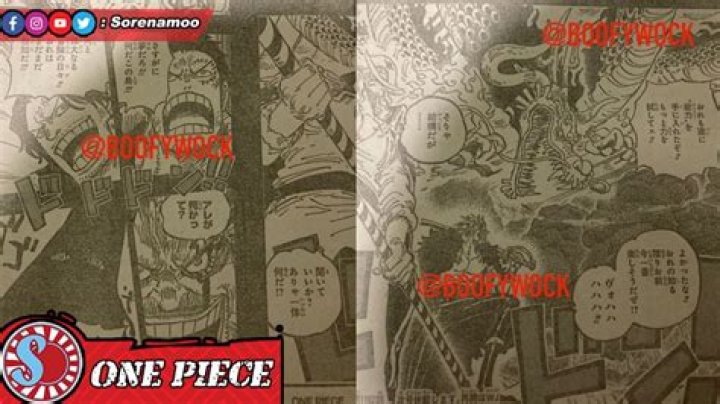
Let’s cut through the noise. Manga raw1001 isn’t a single, official platform. It’s a digital ecosystem—a collection of websites, aggregators, and community-driven archives that host raw manga chapters. The “1001” in its name often refers to a specific domain or a numbering system used by scanlation groups to organize releases. For the uninitiated, “raw” means the manga is presented in its original Japanese form, with no translation, no editing, and no localization. It’s the pure, unfiltered version of what Japanese readers see in magazines like Weekly Shonen Jump or Monthly Gangan.
Why would anyone want that? The answer is simple: speed. Official English translations can lag weeks or even months behind the Japanese release. For die-hard fans of series like One Piece, Jujutsu Kaisen, or Chainsaw Man, waiting is agony. Manga raw1001 offers a lifeline—a way to see the latest developments the moment they drop in Japan. But this convenience comes with a heavy price tag, and it’s not measured in yen.
Let’s talk about the legal landscape. Hosting and distributing raw manga without permission from publishers like Shueisha, Kodansha, or Shogakukan is a clear violation of copyright law. Japan has been cracking down hard on these sites in recent years. In 2021, the country passed a law making it illegal to download pirated manga, even for personal use. Yet, sites like those under the manga raw1001 umbrella continue to operate, often shifting domains or using mirror sites to evade takedowns. It’s a cat-and-mouse game, and the mice are surprisingly agile.
But here’s the thing: not everyone using manga raw1001 is a pirate. Some readers are Japanese expats living abroad who simply want to keep up with their favorite series in their native language. Others are scanlation groups—volunteers who take raw scans, translate them, and release them for free. These groups rely on raw sources to do their work. Without sites like manga raw1001, the entire scanlation ecosystem would grind to a halt. It’s a messy, gray area where passion for manga collides with intellectual property law.
From a user’s perspective, the experience on manga raw1001 is surprisingly straightforward. You land on a page that looks like a stripped-down version of a manga reader. Chapters are listed by number, often with thumbnails. Click one, and you’re greeted with a series of high-resolution images—sometimes scanned directly from the magazine, sometimes ripped from digital releases. The quality varies. Some scans are crisp and clean, while others look like they were taken with a phone camera in a dimly lit room. But for most users, the trade-off is worth it. Speed beats perfection every time.
There’s a certain thrill to reading raw manga. You’re not just consuming a story; you’re decoding it. Without translations, you rely on visual storytelling—the expressions on characters’ faces, the layout of panels, the action lines. It’s a different kind of engagement. Some fans even use raw chapters as a learning tool, testing their Japanese reading skills against the original text. It’s a niche, but a passionate one.
However, the risks are real. Malware is a persistent problem on these sites. Pop-up ads, redirects, and fake download buttons are everywhere. One wrong click and you could be installing adware or worse. Security experts warn that sites like manga raw1001 are often used as vectors for phishing attacks. If you’re not using a robust ad blocker and a VPN, you’re playing with fire. And even then, there’s no guarantee of safety.
Let’s not ignore the ethical dimension. When you read a raw chapter on manga raw1001, you’re bypassing the official channels that pay the creators. Manga artists and writers rely on sales, licensing fees, and royalties. Every pirated read is a lost sale. Publishers argue that this undermines the entire industry, especially for smaller series that struggle to turn a profit. On the other hand, fans counter that piracy often drives interest—people who read raw chapters may later buy the official volumes or merchandise. It’s a debate that has no easy answers.
What about the alternatives? If you want to support the industry while still getting early access, there are legitimate options. Services like Manga Plus by Shueisha offer simultaneous releases for many popular titles in English, often on the same day as Japan. Viz Media’s Shonen Jump app provides a vast library for a low monthly fee. For digital raws, platforms like BookWalker and Amazon Japan sell individual chapters, though you’ll need a Japanese account and some familiarity with the language. These options are legal, safe, and directly support the creators.
But let’s be honest: they’re not always free. And for readers in countries with weaker currencies or limited access to international payment methods, the cost can be prohibitive. That’s where the appeal of manga raw1001 remains strong. It’s free, it’s fast, and it’s accessible to anyone with an internet connection. The question is whether that convenience is worth the moral and legal baggage.
The community around manga raw1001 is a fascinating subculture. Forums on Reddit, Discord, and 4chan buzz with discussions about which sites are currently working, which domains have been taken down, and where the latest chapters have been uploaded. There’s a shared language—terms like “raw provider,” “scanner,” and “cleaner” are thrown around casually. It’s a digital underground with its own rules, hierarchies, and dramas. Scanlation groups sometimes feud over who gets to translate a popular series first. Drama erupts when a site goes down without warning. It’s messy, chaotic, and utterly human.
One thing that sets manga raw1001 apart from other raw aggregators is its focus on quality control. While some sites just dump whatever scans they find, the communities behind raw1001 often curate their collections. They tag chapters with information about the source—whether it’s from a magazine, a digital release, or a tankobon volume. They note the resolution and whether the pages have been cleaned of dust and scratches. For serious collectors, this attention to detail matters.
But the landscape is shifting. In 2023 and 2024, Japanese publishers have become more aggressive. They’ve hired cybersecurity firms to track down and shut down raw sites. Several major domains associated with manga raw1001 have been seized. The operators have responded by moving to decentralized networks, using peer-to-peer sharing, or hiding behind Cloudflare’s anonymity. It’s a constant game of whack-a-mole. For the average user, this means that finding a reliable raw source today doesn’t guarantee it will still be there tomorrow.
There’s also the question of language barriers. Even if you can read Japanese, raw manga often includes furigana (phonetic guides) that help with difficult kanji. But not all raws have this. Some are scanned from magazines aimed at adult readers, where furigana is rare. This makes the reading experience challenging even for intermediate learners. Yet, for many, that challenge is part of the appeal. It’s a way to immerse yourself in the language without the crutch of translation.
Let’s zoom out for a moment. The phenomenon of manga raw1001 is not isolated. It’s part of a larger global trend of media piracy that spans anime, movies, music, and books. What makes manga unique is the sheer volume of content and the speed at which it’s consumed. A popular series like One Piece releases a new chapter every week. Within hours, raw scans are circulating online. Within days, fan translations are available. The official English release might come a week later. For many fans, that gap is unacceptable.
Publishers are aware of this. Some have experimented with simultaneous global releases, but the logistics are daunting. Translating, editing, and printing for dozens of markets takes time. Digital-first strategies are helping, but they haven’t closed the gap entirely. Until they do, sites like manga raw1001 will continue to thrive.
What does the future hold? It’s hard to say. Legal pressure will likely increase. Japan’s copyright laws are becoming stricter, and international cooperation is improving. But the demand for raw manga isn’t going away. If anything, it’s growing as more people around the world discover Japanese comics. The challenge for publishers is to find a way to meet that demand legally, affordably, and quickly. If they can’t, the underground will keep expanding.
For now, manga raw1001 remains a fixture in the manga community. It’s a resource, a risk, and a reflection of the tensions between fans and the industry. Whether you see it as a necessary evil or a blatant theft, it’s impossible to ignore. The next time you hear someone mention raw1001 in a forum, you’ll know exactly what they’re talking about—and the complex world behind that simple name.
If you choose to explore it, do so with your eyes open. Use protection—both digital and legal. Support the creators when you can. And remember that behind every raw scan is a team of artists, writers, and editors who deserve to be paid for their work. The manga industry is a fragile ecosystem. How we consume it shapes its future.